Where the Old Buildings Hide in Eagle and Star
Drive the foothills subdivisions north of Floating Feather or the new blocks spreading west through Star and you'd guess there was nothing here before 2000. The river corridor tells the truth: Eagle's original townsite grew up along what's now State Street more than a century ago, and Star's crossroads core dates to the valley's early irrigation days. Between them runs some of the metro's oldest continuously farmed land — and with it, generations of farmhouses, dairies, shops, barns, and pump houses built long before 1990.
The land those structures occupy is now among the most valuable in Idaho. That produces this area's signature project: the acreage purchase where an older house or outbuilding either gets a serious remodel or comes down entirely to make way for something new. Both paths run through testing — the remodel because disturbing untested material is the one mistake you can't undo, and the teardown because demolition can carry federal survey and notification duties.
The Work Partner Professionals Handle Here
- Pre-purchase testing on acreage properties — knowing whether the 1955 farmhouse is a renovation candidate or an abatement project changes what the land is worth to you.
- Teardown surveys. Before an older structure is demolished, an accredited survey documents its materials; if the demolition is part of a development or commercial project, the NESHAP notification to EPA Region 10 — filed at least 10 working days ahead — rests on that survey.
- Estate-remodel testing: textured ceilings, flooring layers, and duct wrap in Eagle's 1970s–80s housing along the rim and river.
- Old-town commercial work on and around State Street and Star's Main Street, where storefront rehabs meet the same federal rules as downtown Boise's.
- Outbuilding checks — transite siding, roofing panels, and flue pipes are regulars on mid-century farm structures.
Testing, the Same Careful Way — Just Closer to the River
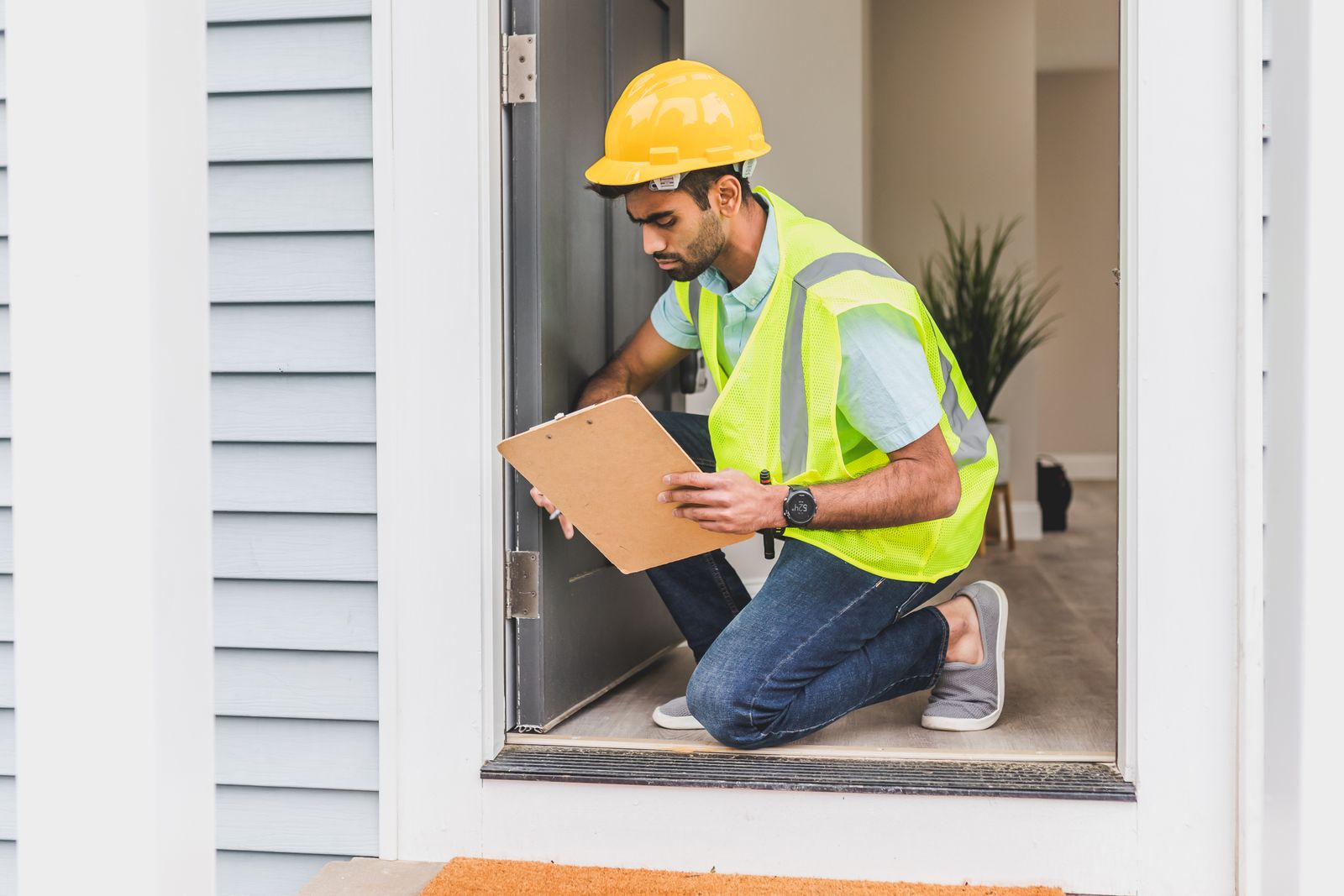
Nothing about the process changes west of Eagle Road: a free itemized quote, an AHERA-accredited inspection, wet-method sampling into sealed containers, NVLAP-accredited lab analysis on a 2–5 business day standard turnaround (rush when a closing or crew is waiting), and a written report with each material's result. What does change is the visit's shape — Eagle and Star jobs are more likely to include multiple structures, so tell the professional everything on the parcel when you call. Sampling the house, the shop, and the old pump house in one trip is dramatically cheaper than three separate mobilizations.
Flood-plain and remodel-history note: river-adjacent homes that took water damage over the decades were often repaired in whatever era the flood arrived — meaning a 1940s house can hold 1960s tile, 1970s texture, and 1980s duct work. Layers get sampled individually for exactly this reason.
The Teardown Question, Answered Before It's Asked
A detached single-family home being demolished on its own generally sits outside the federal asbestos NESHAP — the rule's "facility" definition excludes residences of four or fewer dwelling units. But Eagle and Star are precisely where that exemption gets tested: fold the same farmhouse into a subdivision plat, a commercial development, or a multi-structure clearing project and it can become regulated, bringing the survey-and-notify sequence with it. Demolition contractors here know this and routinely refuse to mobilize without a survey letter in hand. Order the survey during due diligence and the question never slows the project; details and the full regulatory picture are on that page, with authoritative guidance at deq.idaho.gov and epa.gov/asbestos.
What This Costs Out Here
Single-material tests and farmhouse surveys in Eagle and Star price like the rest of the metro — see the Boise cost guide for ranges — with multi-structure parcels quoted so shared trip costs work in your favor. Rural addresses at the far edges may carry a small itemized travel amount, disclosed on the free quote up front.
For Builders and Architects Working the Corridor
Design-build firms and custom builders dominate construction in Eagle and Star, and asbestos testing slots naturally into their front-end process. The pattern that works: flag any pre-1990 structure during site analysis, order testing or a survey alongside the geotech and boundary work, and let results land before schematic design locks. That sequencing pays three ways — demolition line items price accurately in the first budget, the federal notification (when one applies) files without schedule drama, and clients hear about abatement costs from their architect early instead of from a change order later. Partner professionals are used to working from plans, coordinating site access through builders, and delivering reports formatted for the project file rather than the homeowner's kitchen counter.
Star deserves its own sentence in that process note: with the town growing faster than nearly anywhere in the state, formerly rural parcels along Highway 44 and Can-Ada Road are moving into development pipelines every season, and each one's existing structures should be screened for age during feasibility — a five-minute records check that determines whether testing belongs in the pro forma.
Older Homes That Aren't Farmhouses
Not every pre-1990 structure here wears a gambrel roof. Eagle's first suburban wave arrived in the 1970s and 1980s as the town became a bedroom community — ranches and split-levels along the rim, early cul-de-sac plats off Eagle Road and Floating Feather, and river-adjacent custom homes from the same decades. These houses are now prime remodel candidates in a premium market, and they carry the era's standard suspect list: sprayed ceiling texture, layered vinyl flooring, duct insulation, and the occasional vermiculite attic. Owners updating them get the same advice as everywhere in the valley — test the materials your scope disturbs, in one efficient visit, before the first trade shows up.
Eagle & Star Questions, Answered
The farmhouse is getting a full gut-and-addition. Spot tests or survey?
Survey. Once a project opens most of a structure, a room-by-room survey costs little more than a stack of individual tests and produces one document every contractor on the job can build from.
We only want the barn checked before it comes down. Possible?
Yes — outbuilding-only visits are common. If the barn's demolition connects to a larger development, mention that, because it affects whether a notification needs to follow the survey.
Does new construction in Eagle ever need asbestos testing?
Essentially never for the new build itself. The exceptions are reclaimed materials — vintage brick, salvaged timbers with old insulation residue — and any older structure sharing the parcel.
How soon can someone get to a property off Highway 16 or 44?
Typically within days — the corridor is an easy reach from anywhere in the metro. Rush lab tiers can put results in your hands the same week the request goes in.
Before the Remodel or the Excavator
Accredited testing for Eagle, Star, and the river-bottom acreage between — free quotes, fast lab answers.